
The future of hospitality is electric, smart, and sustainable
Tourism is one of the most important economic engines in the Dominican Republic and Caribbean Islands. However, it is also among the sectors with the highest energy consumption and environmental impact. In this context, hotels face the dual challenge of reducing operational costs while meeting the growing expectations of environmentally conscious travelers seeking responsible and sustainable experiences.
With its global expertise in efficiency and automation, Schneider Electric positions itself as a strategic ally to support this transition toward a more sustainable, digitalized, and resilient hospitality industry.

We spoke with Roberto Torres, General Manager of Schneider Electric for the Caribbean, Indian Ocean and French Pacific, about how the company is redefining the future of hospitality.
1. Why does Schneider Electric believe that the future of hospitality is electric, smart, and sustainable?
Roberto Torres: The hospitality industry faces a dual challenge today: improving the guest experience while reducing its environmental impact. At Schneider Electric, we believe the future is electric because electrification is the most direct path to decarbonizing the sector; it is smart because it requires digital technologies that allow hotels to measure, manage, and optimize consumption in real time; and it is sustainable because only in this way can hotels remain profitable in the long term and meet global climate commitments.
2. What energy solutions does Schneider Electric specifically offer for the hospitality sector?
Roberto Torres: We have developed a portfolio of solutions that integrates automation, energy efficiency, and digital management. For example, our energy management systems allow monitoring of consumption throughout the hotel and identifying immediate savings opportunities. We also offer smart room controls that adjust lighting, air conditioning, and ventilation based on occupancy, generating up to 30% energy savings without compromising guest comfort. In addition, our microgrid and renewable energy solutions help hotels reduce their dependence on the grid and ensure resilient operations, even in areas with limited infrastructure.
Through our APC brand, we provide critical solutions for data centers that stand out for their efficiency, scalability, and responsiveness to the growing processing and storage demands of hotels, especially in high-density environments requiring artificial intelligence (AI) and accelerated computing.
3. How do these solutions impact the guest experience?
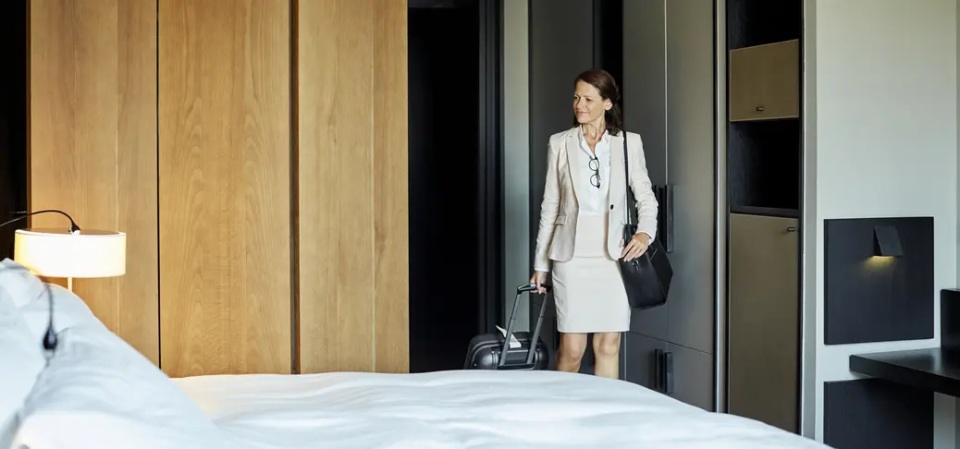
Roberto Torres: Technology not only benefits operations but also enhances the visitor experience. Imagine a guest entering their room to find the temperature and lighting automatically adjusted to their preferences, or being able to manage all services from a mobile app. This personalization generates satisfaction and loyalty, while the hotel optimizes resources quietly and efficiently.
4. Sustainability is a central issue in hospitality. What role does Schneider Electric play in this regard?
Roberto Torres: Our commitment is to help hotels achieve their decarbonization goals. Schneider Electric solutions allow them to calculate and reduce their carbon footprint, integrate clean energy, and progress toward environmental certifications such as LEED or EDGE. In highly competitive tourism markets, this becomes a key differentiator: today’s travelers seek environmentally responsible experiences and prefer hotels that share those values.
5. What trends will shape the future of the sector in the coming years?
Roberto Torres: We will see an acceleration in digitalization and the use of data to improve operational efficiency. Artificial intelligence and the Internet of Things will make it possible to anticipate failures, reduce maintenance costs, and offer hyper-personalized experiences. There will also be greater emphasis on energy resilience, with hotels integrating battery storage, electric vehicle chargers, and microgrid solutions. Ultimately, the hotel of the future will be a living infrastructure: connected, efficient, and designed to generate a positive impact on people and the planet.
Schneider Electric’s vision points to a hospitality future in which electrical and digital technology transform both operations and customer experience. A future where profitability and sustainability are not opposing goals, but paths that move forward together.